Wildlife will continue to disappear
until we empower communities to manage conservation.
MSWC works to equip community-led wildlife conservancies with the leadership and management skills needed to thrive. By supporting practical, locally relevant training and peer-to-peer support that strengthen decision-making, financial planning, team leadership, and stakeholder engagement, we hope to help ensure conservation efforts are sustainable, inclusive, and effective—for both people and nature.
Our aim is to demonstrate the power of leadership and management training to transform conservation outcomes, building resilient teams and stronger communities that can protect wildlife and their habitats for generations to come.
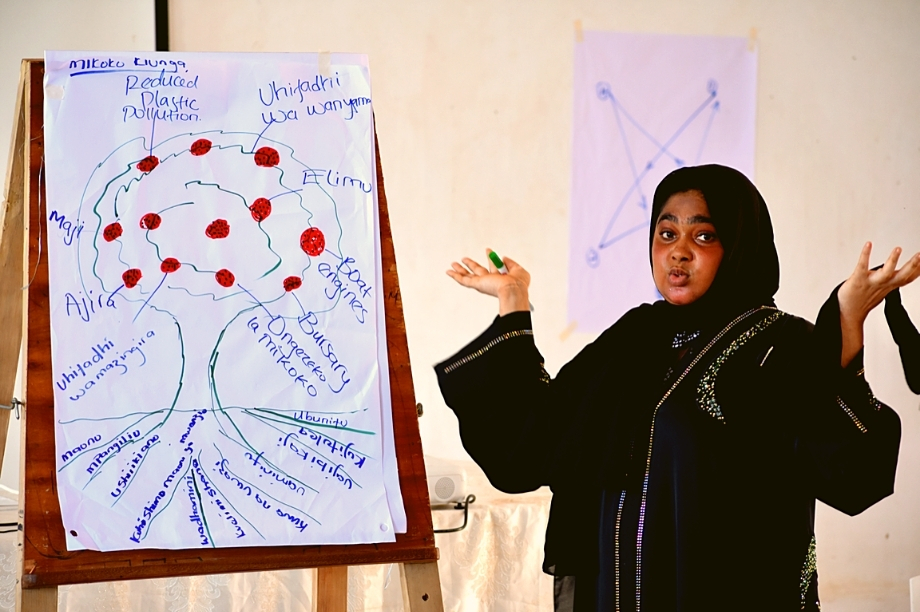
Leadership and Management Program
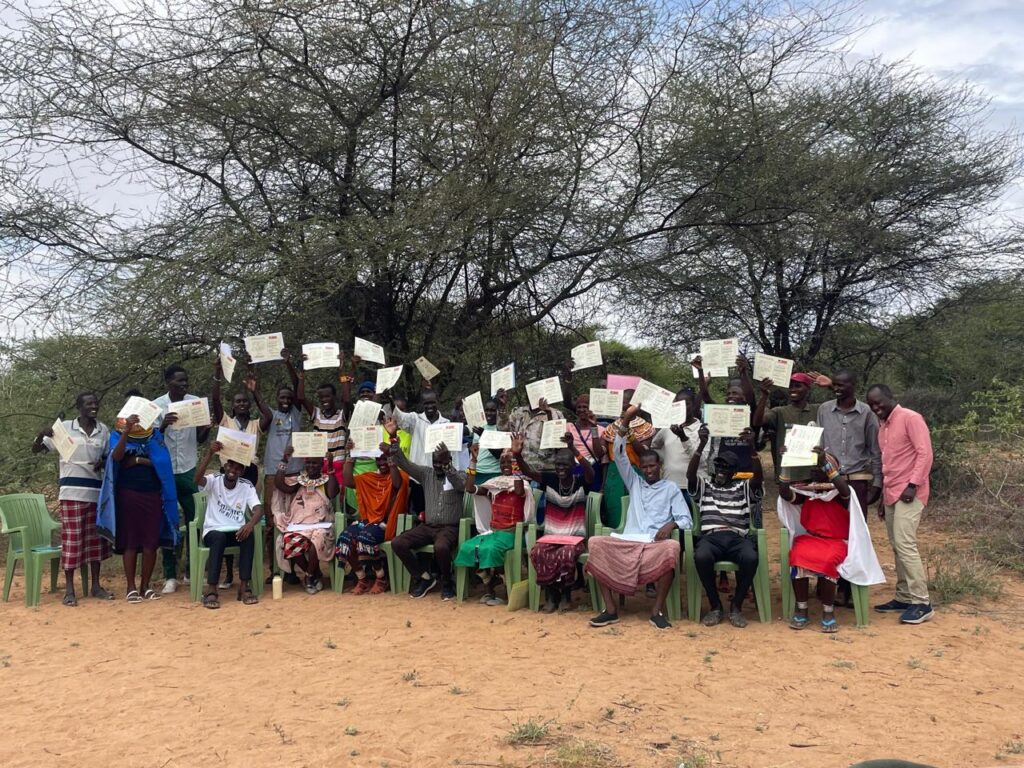
At the heart of MSWC’s impact is the Leadership and Management Program (LAMP), a transformative initiative designed to equip and empower young men and women in local communities to manage their landscapes, conserve natural resources and wildlife, and secure sustainable livelihoods. Through a blend of structured workshops, one-on-one coaching, and practical assignments, participants apply what they learn directly to their day-to-day roles, ensuring long-term change and measurable impact. Through LAMP, participants build resilience to navigate ecological and economic challenges—skills that are more vital than ever.
Through 2025
2,002 Trained Across Three Countries
Through 2025, LAMP trained 2,002 local conservationists across Kenya, Tanzania, and Namibia.
187
trained in Tanzania
148 Women
39 Men
1,800
trained in Kenya
848 women
952 Men
35
trained in Namibia
13 Women
22 Men
“LAMP has completely transformed the way I lead and solve problems. I’ve learned to approach challenges with confidence and creativity, and my outlook has shifted to an unwavering ‘I can’ attitude. The training has empowered me to make a greater impact in my work and community—and I’m truly grateful for that growth.”
Abdikadir Bagajo, Financial Accountant, Northern Rangelands Trust
Completed LAMP in June 2021
We have developed integrated land-use systems that aims primarily to maximize productivity and profitability in a manner that secures conservation space and the maintenance of biodiversity.
Richard Vigne
/
Managing Director, Ol Pejeta Conservancy, Kenya
As we go through this [Covid–19] pandemic we need to think more about how we can identify new income opportunities, how we may strengthen the community institutions to manage our wildlife, and definitely how to see these conservancies as social enterprises.
Dickson Kaelo, CEO, Kenya Wildlife Conservancies Association (KWCA) – May 8, 2020
We were told we are blind, because we haven’t been to school, but now we know it’s a lie
A graduate of the Leadership and Management Program from Lamu