
Management skills are a critical and neglected driver of conservation outcomes.
MSWC exists to demonstrate the impact of leadership and management training on wildlife conservation outcomes.

The problem
The experts arrive, and then they leave
Conservation efforts in Africa have typically been led by “parachute conservationists”: outsiders who drop in thinking they have the answers, hire locals to implement them and then disappear.
MSWC uniquely focuses on developing community grassroots managerial skills through structured learning and peer group support, working from the bottom up.
The evidence
A Decade of Evidence
For ten years, the Leadership and Management Programme has trained the people who run community conservancies across East and Southern Africa. In 2024, graduates were surveyed to find out what actually changed. The findings are published in A Decade of Evidence.
A further 167 are in training in LAMP courses now.
LAMP: A Decade of Evidence, 2014–2024. Published by Lead Manage Conserve.
The programme
Empowering Local Conservation Leaders
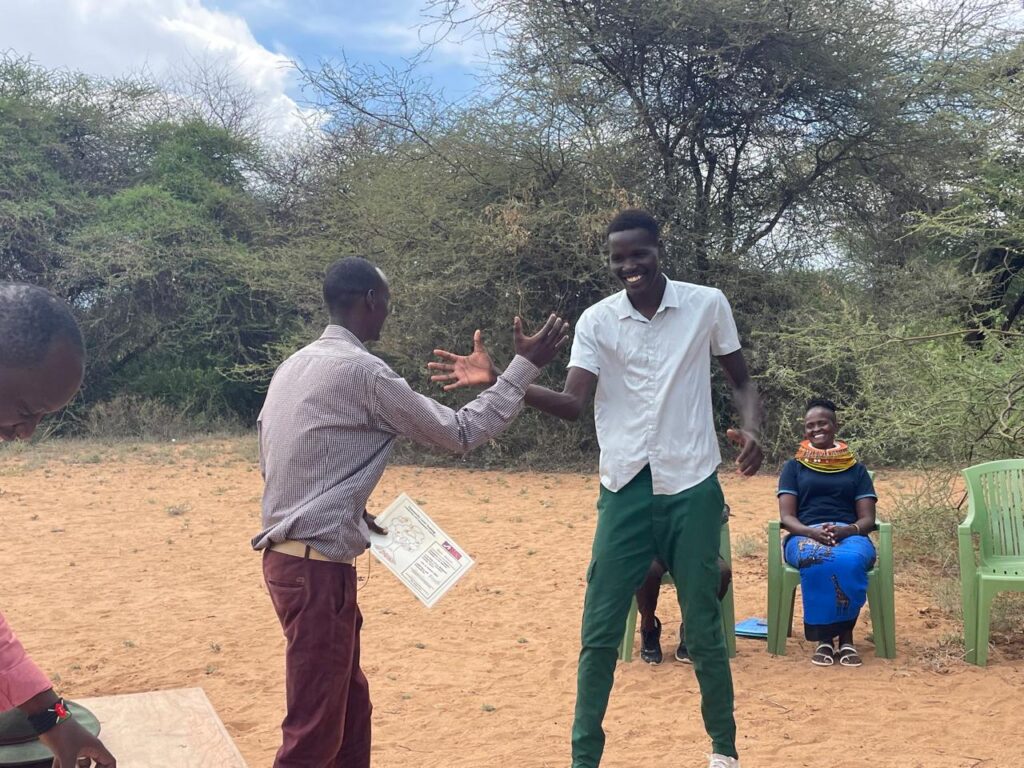
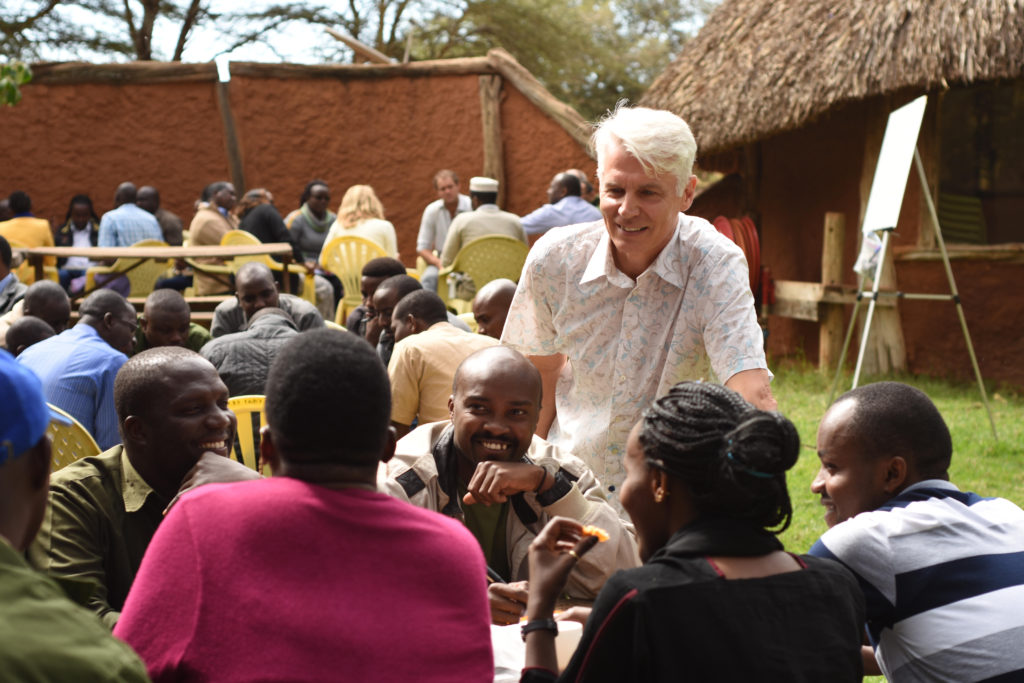
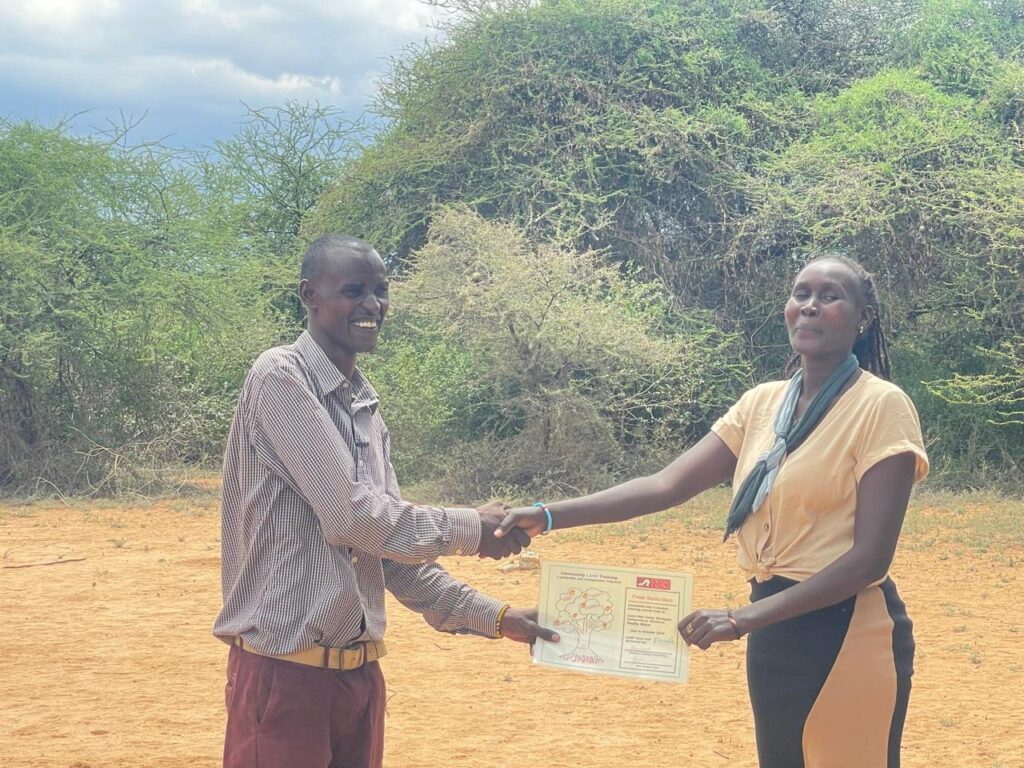
The Leadership and Management Program (LAMP) is a transformative initiative designed to equip and empower men and women in local communities to manage their landscapes, conserve natural resources and wildlife, and secure sustainable livelihoods. Through LAMP, participants build resilience to navigate ecological and economic challenges. These skills are more vital than ever.
MSWC equips community-led wildlife conservancies with the leadership and management skills needed to thrive. We offer practical, locally relevant training and peer support that strengthen decision-making, financial planning, team leadership, and stakeholder engagement. By working from the ground up, we help ensure conservation efforts are sustainable, inclusive, and effective for both people and nature.
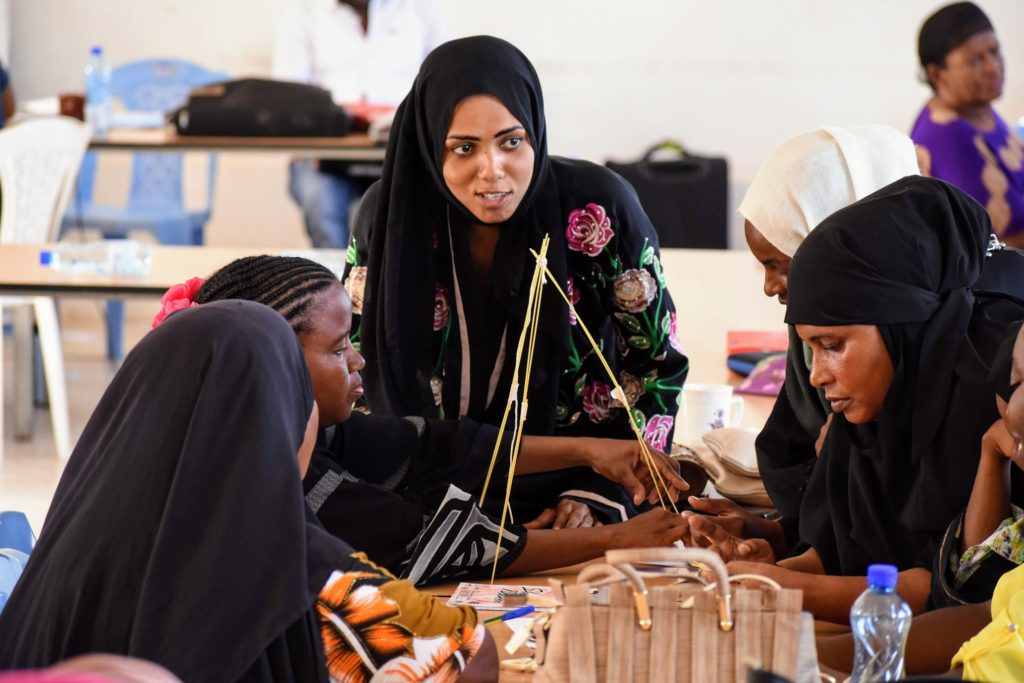
We place particular emphasis on supporting women from communities where their voices have traditionally been underrepresented. With the right training, they are proving to be powerful agents of change.
The film
Light for Wildlife
Across East and Southern Africa, the conservancies guarding some of the continent’s last wildlife strongholds are run by people who were rarely given the chance to learn how to lead.
Light for Wildlife is the story of what happens when they do.
The trailer is two minutes. The full film runs 42 minutes and plays here too.

One story
This is the story of Mayanai.
The magnificent mountains and savannahs of Northern Kenya are the backdrop for the story of Mayanai, a Samburu woman, who struggles to make ends meet when her husband is unexpectedly swept away in a flood.
Refusing to see herself as a victim, she joins a training program that not only empowers her to play a vital role in her homeland’s wildlife conservation, but also significantly raises her status in her indigenous community.
It’s an uplifting “heroine’s journey” of how she learns to save her community’s natural resources while providing a brighter future for her children.
▸ Watch with soundCorroboration
Why Africa needs community-led conservation
Conservationist Resson Kantai Duff has a better way to save wildlife in Africa: let locals lead these efforts themselves. She calls for a major shift in how conservation in Africa works, showing why the people closest to the land are the ones best fit to care for it. (source: ted.com)
Voices
Video Credits: Joseph Akula, published by Daughters For Earth.
Video credits: Forward Consulting.

From the blog
Kenya’s first Community-Led Conservation Conference
Community leaders, conservation practitioners, policymakers and donors gather at Brackenhurst Conference Centre in Limuru, Kenya, from 3 to 5 November 2026. MSWC contributed funding for the conference organization.
See the conference details LAMP for the team protecting Kenya’s giant pangolins Elephants that treat themselves, as told by the people who watch them Elephant Mamas: a LAMP for the women who share their land with elephants More from the blogGet involved
Support the work
Make a secure donation via PayPal or any major debit or credit card. Every contribution enables more wildlife community members to be trained.
A PayPal account is not required: any major debit or credit card works.