By Alexander Ramirez Blonski
A study published on 24 September in Scientific Reports suggests that the elephants of Mount Elgon, in western Kenya, look for particular plants when they are unwell, and that mothers give some of them to their calves.
What makes it worth sharing here is where the evidence came from. The researchers began by asking people. They interviewed eight local experts from the Sabaot community: four wildlife community scouts, two guides, a retired agricultural officer and a former Kenya Wildlife Service ranger. Each had spent more than twenty years living alongside the Mount Elgon elephants.
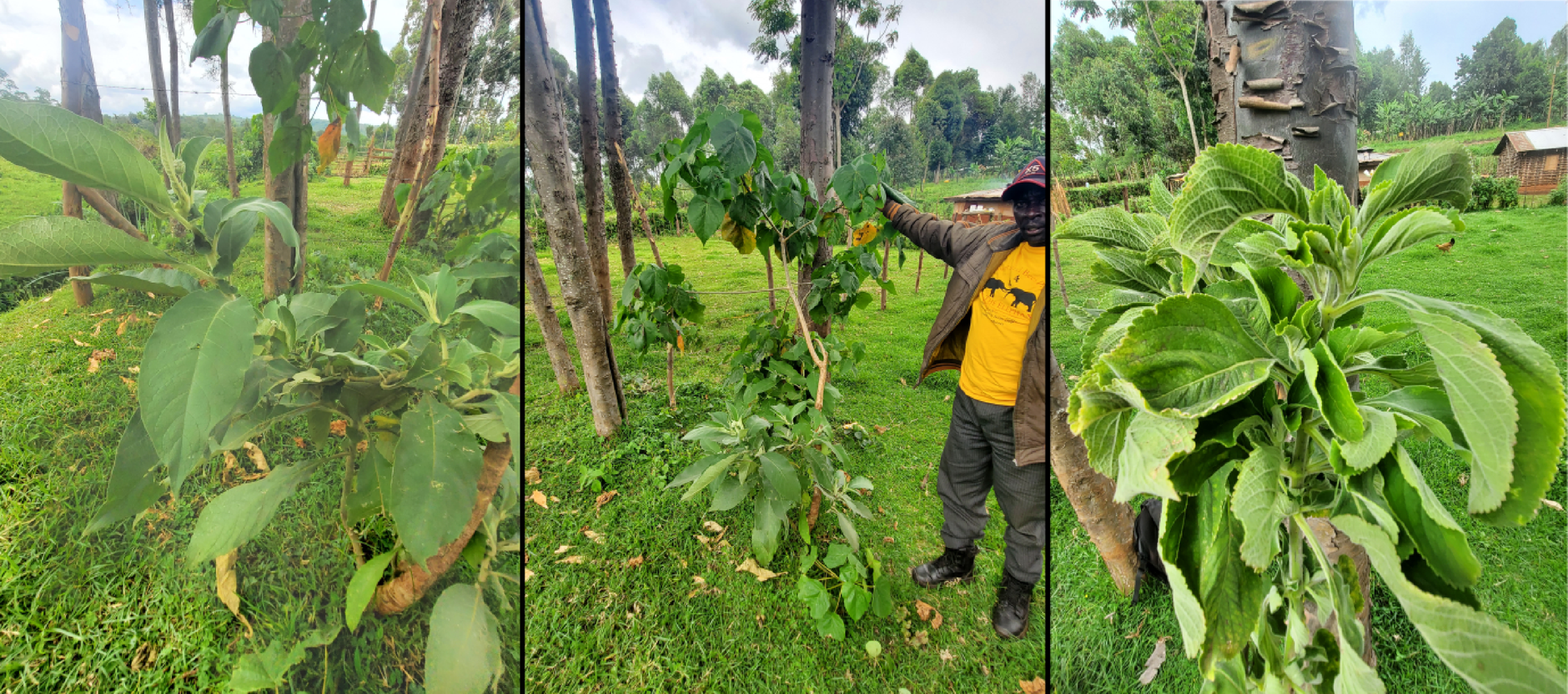
Between them, they named 35 plant species from 23 families, plus four kinds of soil, mineral or clay, that they believe the elephants use as medicine. Of the 39 resources mentioned, 34 already have traditional uses in human medicine. For eight of the plants, the informants described visibly sick elephants seeking them out, or mothers giving them to their young.
One account stands out. A scout told of elephant mothers chewing the leaves of a plant the Sabaot call Angurweet, a local remedy for stomach ache, together with the roots of other plants and their own milk, and then giving the mixture to their calves. The paper records how the informants describe it: “a kind of immunization.”
The authors are careful about what this shows. The paper’s title says the elephants “putatively” self-medicate, and the evidence so far is testimony rather than recorded observation. Professor Michael Huffman of Nagasaki University, who was not involved, told the BBC that the calf account was “tantalising” but that more evidence is needed. The team has since given cameras to the scouts it worked with and is testing the plants for biological activity. As Dr Fabien Schultz of the Bernhard Nocht Institute for Tropical Medicine, one of the lead researchers, put it: “Local knowledge has given us a map.”
That line is why we are sharing this. The scouts and elders of Mount Elgon knew about these plants long before any scientist asked them. MSWC’s Leadership and Management Program trains people in the same kinds of roles, conservancy managers, rangers and community leaders, and this study is a good example of what their knowledge is worth when it is taken seriously.
Sources. Schultz F. et al. (2026), “African elephants putatively self-medicate with medicinal plants in the Mount Elgon region, Kenya,” Scientific Reports (open access). Victoria Gill, “Elephants use medicinal plants to treat themselves, researchers find,” BBC News, 24 September 2026.